

15 Oct From Finding His Voice to Finding His Future by: Danielle Kurlander
Looking back at early pictures, Dylan always had a wet shirt no matter how many times a day we changed it. He was so sweet, loved to sit on your lap and listen to people read, play with his trains, puzzles and balls. He barely cried and would point to things he wanted and later on make up his own sign language to communicate his needs. When he started going to a mom and me class at 18 months, I realized there was more going on than just being a late talker. At 2 years old, he started speech therapy once a week and then progressed to twice a week. He was making some sounds and just trying so SO hard. A moment I will never forget is at about 8 months into therapy, his SLP said she wanted us to make an appointment with a developmental pedestrian because she thought Dylan had CAS. This was in 2011, making it hard to find info on the details of CAS. I remember crying watching YouTube videos of kids in therapy and wondering, “will he ever speak?”
As you know these appointments are not easy to schedule, and we ended up with a cancellation the night before Thanksgiving. We were told yes, they believe the diagnosis is CAS but whether he would ever speak? They couldn’t say. Intensive speech therapy was the only proven treatment, otherwise, we were on our own. I heard our local school district had an inclusive preK program. We were so lucky that he was able to start the week of his 3rd birthday. He went 5 mornings a week with his communication book so the teachers as well as SLP, PT and OT could write messages to me. They had a list of his “sign language” but it was just so scary of a time knowing he was in a big school and couldn’t tell me how his day was or what he did. We still continued with private speech therapy, and I researched anything I could get my hands on.
This is when I found Apraxia Kids as well as “The Late Talker” by Dr Agin and Lisa Geng. We tried it all and went to see Dr Agin, who was very helpful in making sure he was getting the right therapy. His school was especially accommodating, and he had an excellent SLP who made sure to take continued education classes and go to apraxia conferences. We were so grateful and felt so lucky! Each year I printed out materials from Apraxia Kids and wrote a welcome letter to his teachers. He was in a co-taught classroom with a general ed teacher alongside a special ed teacher in prek 3, prek4, kindergarten and 1st grade. He received SLP, PT, OT and help with reading. He still continued private speech at Suburban Speech Center in NJ until 4th grade. He went to summer school as well as day camp. I think it was really important that from the beginning he did activities with typically developing peers. He played rec sports, took karate, went to after-school enrichment classes and had lots of play dates. He grew up with kids accepting him and he would say he never felt left out. He doesn’t remember much about the hundreds of hours he spent in therapy but does remember some of the games and prizes, lol. It is a LONG journey, but with hard work on both parts, you will be successful and happy!
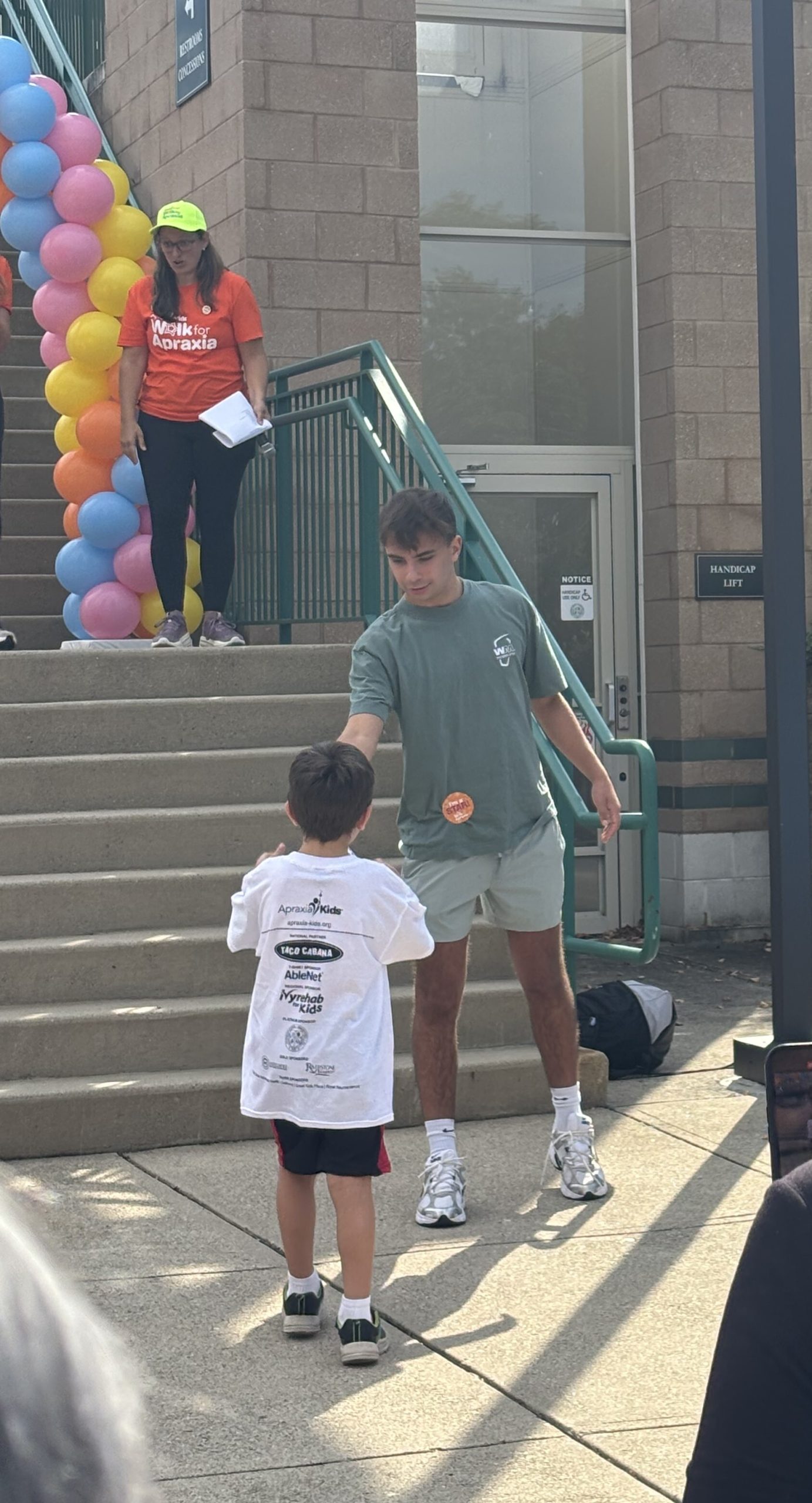
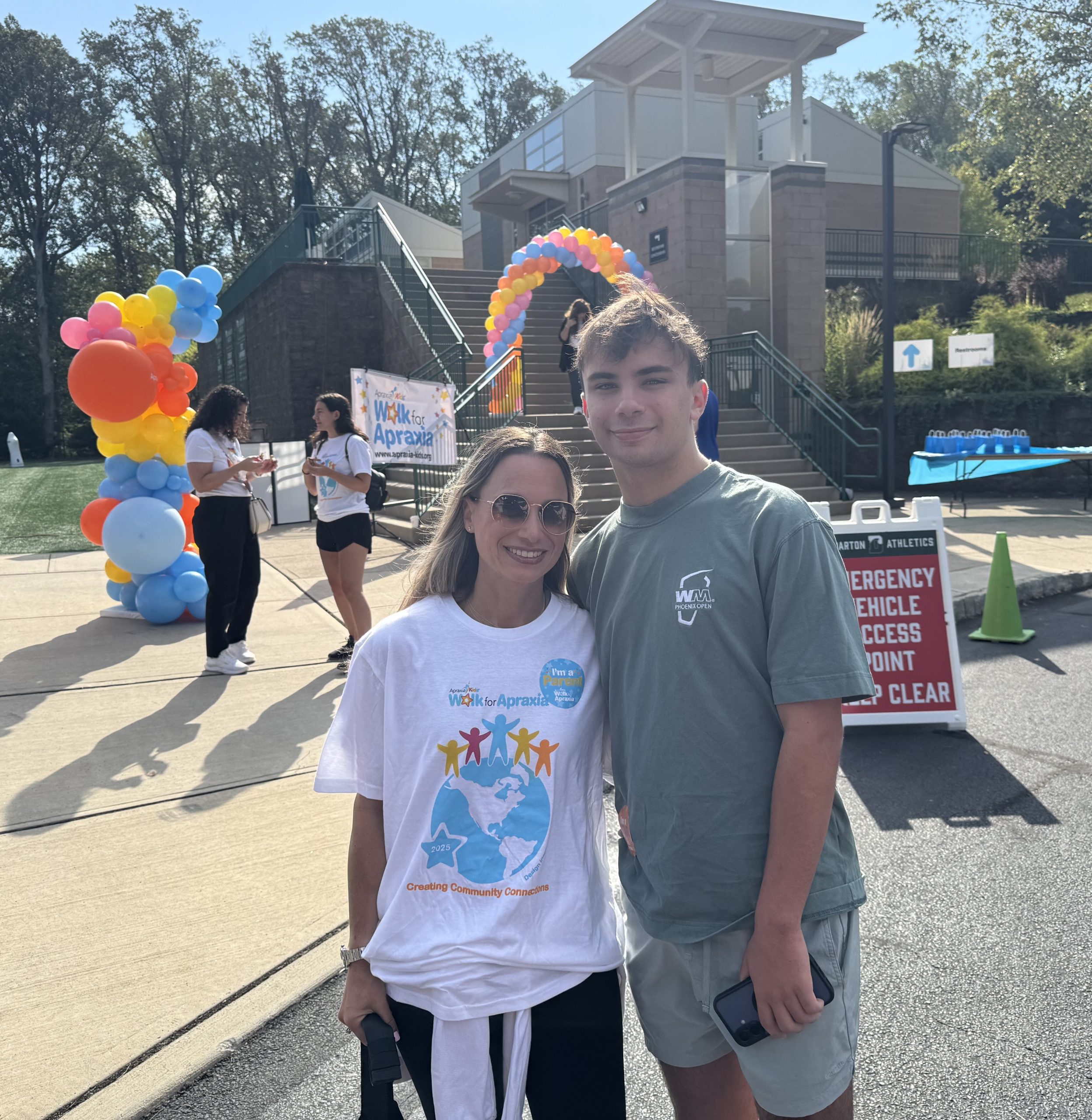
Dylan is now 17, an honor roll student who is excited about applying to college next fall. He is our superhero Apraxia Star! He is proud of his journey and tells people “to never give up”!


Be inspired by more stories today and learn about how you can Give Hope!
Visit, FIND HOPE, GIVE HOPE
Looking back at early pictures, Dylan always had a wet shirt no matter how many times a day we changed it. He was so sweet, loved to sit on your lap and listen to people read, play with his trains, puzzles and balls. He barely cried and would point to things he wanted and later on make up his own sign language to communicate his needs. When he started going to a mom and me class at 18 months, I realized there was more going on than just being a late talker. At 2 years old, he started speech therapy once a week and then progressed to twice a week. He was making some sounds and just trying so SO hard. A moment I will never forget is at about 8 months into therapy, his SLP said she wanted us to make an appointment with a developmental pedestrian because she thought Dylan had CAS. This was in 2011, making it hard to find info on the details of CAS. I remember crying watching YouTube videos of kids in therapy and wondering, “will he ever speak?”
As you know these appointments are not easy to schedule, and we ended up with a cancellation the night before Thanksgiving. We were told yes, they believe the diagnosis is CAS but whether he would ever speak? They couldn’t say. Intensive speech therapy was the only proven treatment, otherwise, we were on our own. I heard our local school district had an inclusive preK program. We were so lucky that he was able to start the week of his 3rd birthday. He went 5 mornings a week with his communication book so the teachers as well as SLP, PT and OT could write messages to me. They had a list of his “sign language” but it was just so scary of a time knowing he was in a big school and couldn’t tell me how his day was or what he did. We still continued with private speech therapy, and I researched anything I could get my hands on.
This is when I found Apraxia Kids as well as “The Late Talker” by Dr Agin and Lisa Geng. We tried it all and went to see Dr Agin, who was very helpful in making sure he was getting the right therapy. His school was especially accommodating, and he had an excellent SLP who made sure to take continued education classes and go to apraxia conferences. We were so grateful and felt so lucky! Each year I printed out materials from Apraxia Kids and wrote a welcome letter to his teachers. He was in a co-taught classroom with a general ed teacher alongside a special ed teacher in prek 3, prek4, kindergarten and 1st grade. He received SLP, PT, OT and help with reading. He still continued private speech at Suburban Speech Center in NJ until 4th grade. He went to summer school as well as day camp. I think it was really important that from the beginning he did activities with typically developing peers. He played rec sports, took karate, went to after-school enrichment classes and had lots of play dates. He grew up with kids accepting him and he would say he never felt left out. He doesn’t remember much about the hundreds of hours he spent in therapy but does remember some of the games and prizes, lol. It is a LONG journey, but with hard work on both parts, you will be successful and happy!
Dylan is now 17, an honor roll student who is excited about applying to college next fall. He is our superhero Apraxia Star! He is proud of his journey and tells people “to never give up”!
Be inspired by more stories today and learn about how you can Give Hope!
Visit, FIND HOPE, GIVE HOPE
Credentials:
Hours of Operation:
Treatment locations:
Address:
,
Phone:
Email:
Overall Treatment Approach:
Percent of CAS cases:
Parent Involvement:
Community Involvement:
Professional consultation/collaboration:
Min Age Treated:
Max Age Treated:
Insurance Accepted: